Redesign Your Living Room with the Furniture You Own
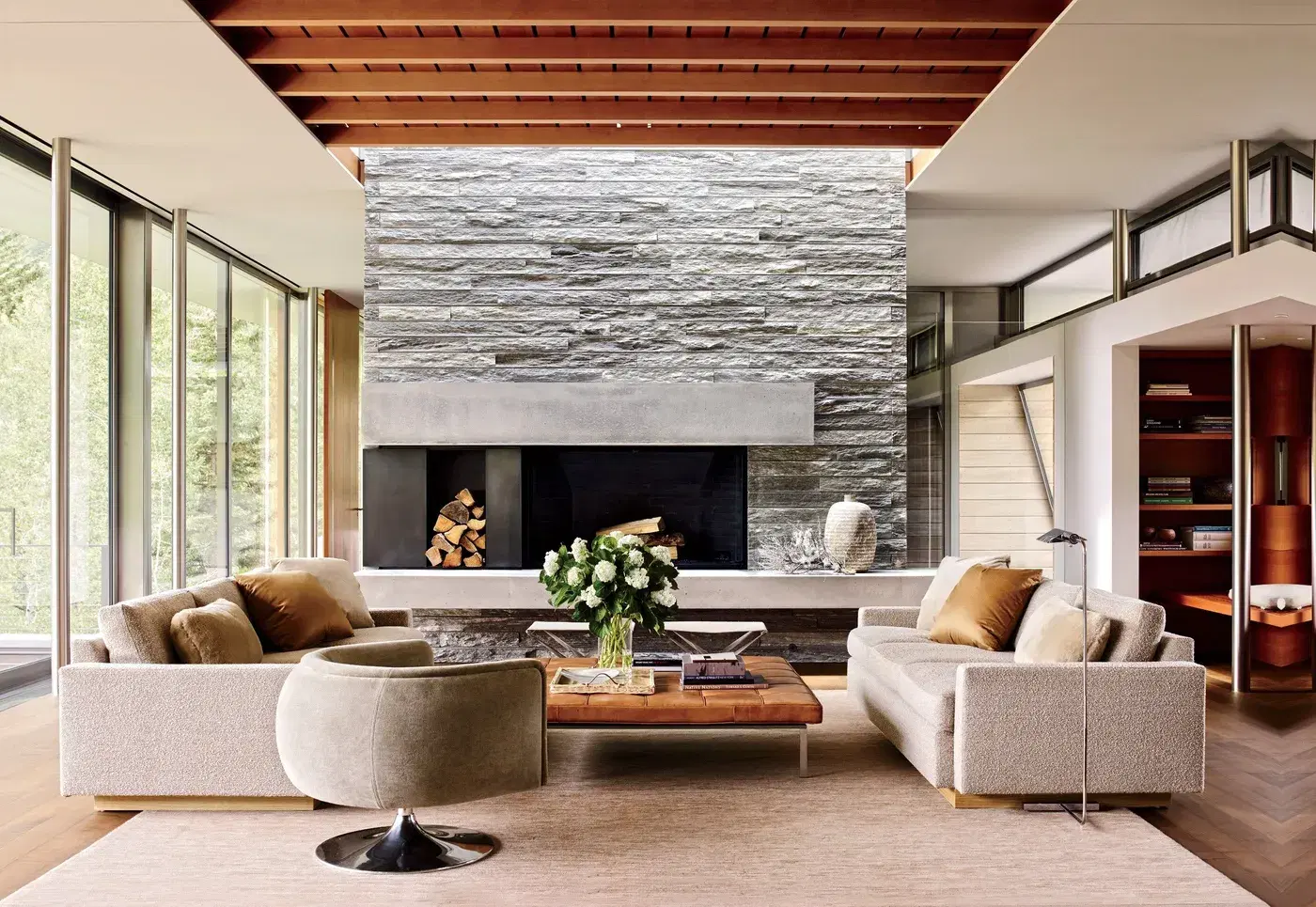
You can change the feel of a living room while keeping the pieces you already own. The starting point is an honest inventory: which furniture works, which pieces matter to you and what makes the room difficult to use? Build the new design around those answers so the project reflects your home and your spending priorities.
Make a keep, move and replace inventory
Photograph each significant item and record its dimensions. Put it into one of three groups: keep in this room, move elsewhere or consider replacing. A sofa that is still comfortable may be worth designing around. A small table inherited from family may deserve a better position. Mark these decisions explicitly in the brief so a new visual does not quietly replace everything.
Solve the arrangement before buying accessories
Draw the room and existing furniture to the same scale. Try a second position for the sofa or move a storage unit away from a narrow passage. Check the room when people are actually using it: the dining chairs pulled out, the cupboard open and someone walking to the balcony. Where practical, test a proposed footprint with removable tape before moving heavy furniture or placing an order.
Use the largest retained pieces as colour references
Look at your sofa, floor, curtains and main cabinet together in daylight. Choose a limited set of complementary colours and repeat them across a few elements. For example, a warm timber cabinet could work with an off-white wall and textiles that echo the existing sofa. Treat this as a direction to test in your room. Paint samples viewed at different times are more reliable than a colour seen only on a screen.
Check lighting and textiles as part of the whole
A room that feels unfinished may need a reading light, better-positioned curtains or a rug with a more suitable footprint. Identify the function of each change before buying. Put a lamp where someone reads, check that a rug works with the seating arrangement and consider how curtains open around radiators or furniture. Keep the selection short enough that each item has a clear reason to be there.
Write constraints into your AI reference and design brief
Use precise instructions: keep the existing grey sofa, retain the oak cabinet and the current floor, preserve the window and radiator positions. Add the measurements and photos when briefing a designer. An AI image may still alter an object or a dimension despite the instruction, so compare the proposal with the original room. Flag those differences before using it to choose products.
Spend in a clear order
List the changes by their effect on everyday use: layout first, necessary furniture next, then lighting, textiles and finishing touches. Set a ceiling for each purchase category and include delivery. You can implement the project in stages if the layout and palette are agreed first. Avoid buying a cheap substitute merely to complete a list if its size or function does not fit.
A useful brief might read: “Keep our two-seat sofa, oak sideboard and curtains. We need better reading light and space for two people to work occasionally. We can change the coffee table and rug. Please source products that deliver to our country.” This gives a designer more to work with than a request for a completely new style, and it makes the finished proposal easier to assess.
Plan your room with a designer
Tell Styly which room you want to change, what you want to keep and where you live. We can discuss the scope, deliverables and price before you commit.
Discuss my room project →